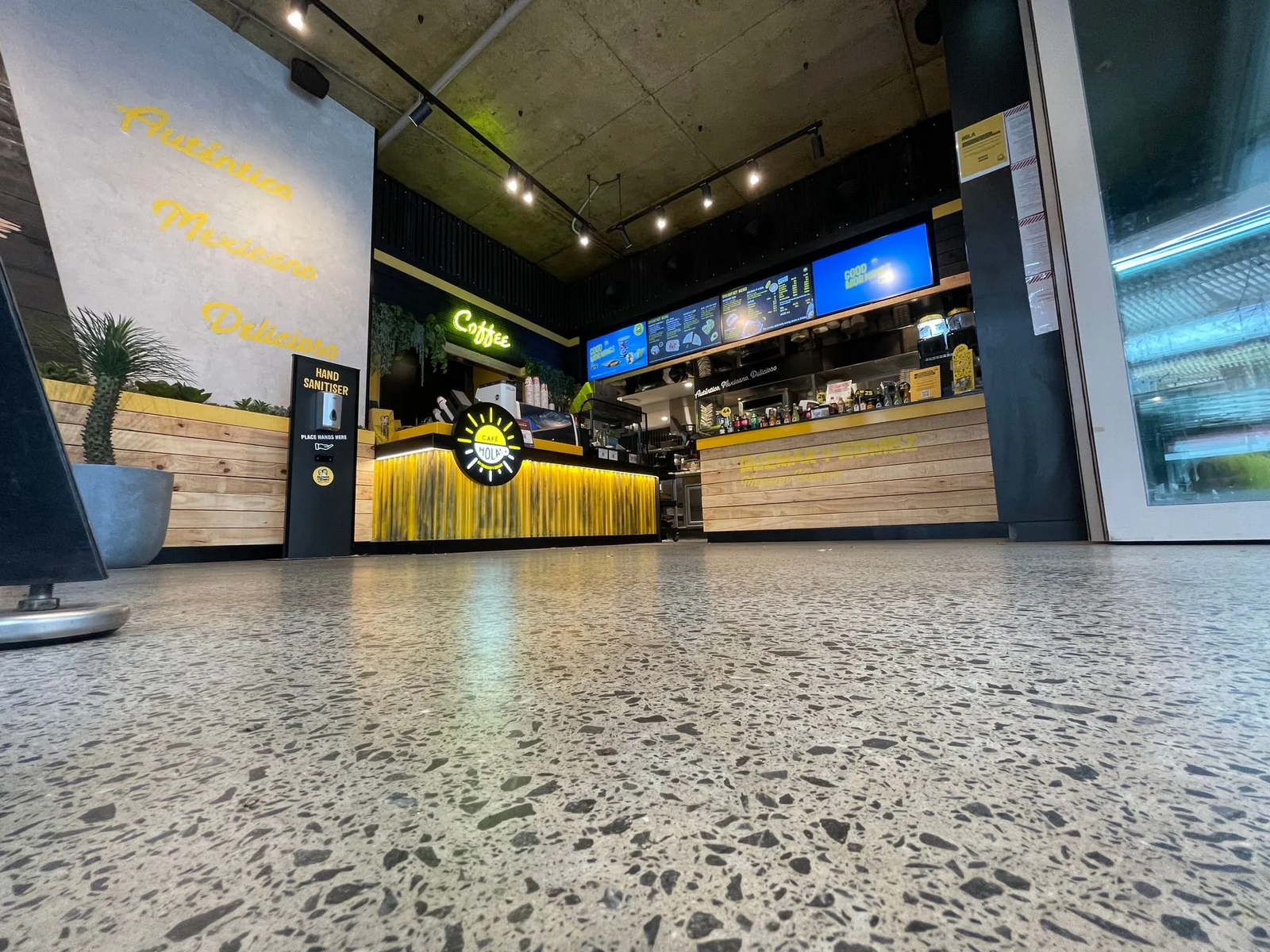

Choosing the right flooring is an important decision for homeowners, builders, and commercial property owners. A suitable floor should offer durability, an attractive appearance, manageable maintenance requirements, and long-term value. Polished concrete has become a popular flooring option because it combines the natural character of concrete with a refined finish that suits different architectural and commercial environments.
For property owners considering polished concrete north brisbane, understanding the available finishes, installation process, and associated costs can make the selection process easier. Mechanically polished concrete involves grinding and refining the existing concrete surface to achieve a selected level of aggregate exposure and gloss.
However, the final result depends on several factors, including the condition of the concrete slab, preparation requirements, polishing techniques, and the desired appearance. Understanding these considerations helps ensure that the flooring solution meets the property’s practical and visual requirements.
What Is Polished Concrete and How Does It Work?
Polished concrete is created by mechanically grinding and refining a concrete surface using specialised equipment and progressively finer diamond abrasives. The process exposes the concrete’s natural characteristics while producing a smoother, denser, and more refined finish.
Unlike conventional floor coverings, mechanically polished concrete uses the existing concrete slab as the finished surface. The final appearance can be customised through different grinding depths, aggregate exposure levels, and polishing stages.
Understanding Mechanically Polished Concrete
Mechanical polishing is a multi-stage process that transforms an untreated concrete slab into a finished flooring surface. Diamond grinding tools remove surface imperfections and gradually refine the concrete.
The polishing process can produce different levels of sheen, ranging from a subtle satin appearance to a higher-gloss finish. The selected system depends on the condition of the slab and the property’s design requirements.
How Concrete Grinding and Polishing Transform a Floor
Grinding removes surface irregularities, existing coatings, and unwanted material while exposing the concrete underneath. Subsequent grinding stages refine the surface and prepare it for polishing.
The process requires specialised machinery and carefully selected abrasive tooling. Consistent grinding and polishing help achieve an even appearance across the floor.
The Role of Concrete Densifiers and Resin Polishing Pads
Concrete densifiers are applied during the polishing process to react with available compounds within the concrete, helping improve surface hardness and reduce dusting. They also support the refinement of the concrete during subsequent polishing stages.
Resin-bonded diamond pads are then used to progressively refine the surface and achieve the required finish. Correct application and sequencing are important for consistent results.
Understanding Stone Exposure and Gloss Levels
Aggregate exposure refers to how much of the natural stone within the concrete becomes visible during grinding. Gloss level describes how reflective the finished surface appears.
These characteristics can be selected separately, allowing property owners to choose a finish that suits their preferred appearance and functional requirements.
Different Polished Concrete Finishes Available
Polished concrete offers several finish options depending on grinding depth, aggregate visibility, and the final polishing stage. Understanding these variations helps determine which appearance is appropriate for a particular property.
Salt-and-Pepper Stone Exposure
Salt-and-pepper exposure reveals a small amount of fine aggregate near the concrete surface. It creates a subtle, consistent appearance while retaining much of the original concrete character.
This finish is suitable for interiors where a relatively understated concrete appearance is preferred.
Medium Aggregate Exposure
Medium aggregate exposure involves deeper grinding to reveal more of the natural stones within the slab. The resulting floor has a more noticeable decorative appearance, with greater variation in aggregate size and distribution.
The final result depends on the original concrete mix and slab composition.
Full Aggregate Exposure
Full aggregate exposure requires more extensive grinding to reveal a greater proportion of the stones within the concrete. It produces a distinctive appearance with prominent natural aggregate patterns.
This finish requires careful assessment because the depth and distribution of aggregate can vary across an existing slab.
Choosing Between Satin and High-Gloss Finishes
Satin finishes provide a softer appearance with limited reflectivity, while high-gloss finishes create a more reflective surface.
The choice should consider lighting conditions, interior design, expected usage, and maintenance preferences. A suitable gloss level should complement the selected aggregate exposure.
Benefits of Polished Concrete Floors in North Brisbane
Polished concrete offers several practical and visual advantages for residential and commercial properties. Its suitability depends on the quality of the existing slab, the selected finish, and the intended use of the space.
Long-Term Durability and Wear Resistance
Mechanically polished concrete provides a refined surface designed to withstand regular foot traffic and everyday use. The densification and polishing process improves surface characteristics, helping the floor maintain its appearance when properly maintained.
Its durability makes it a practical option for spaces with consistent usage.
Low Maintenance Requirements
Polished concrete does not require carpet replacement, timber refinishing, or grout cleaning. Regular sweeping and appropriate damp mopping help remove dirt and maintain the surface.
Although maintenance is relatively straightforward, cleaning products should be selected according to the manufacturer’s recommendations.
Modern Appearance for Residential Interiors
The natural patterns and aggregate variations create a distinctive appearance that complements contemporary architectural designs. Polished concrete also works with different interior styles because its finish and reflectivity can be selected according to design preferences.
Practical Flooring for Commercial and Industrial Spaces
Commercial and industrial properties require flooring that can handle frequent movement and operational demands. Polished concrete offers a durable finished surface for suitable indoor environments, including offices, retail spaces, and showrooms.
Reduced Need for Additional Flooring Materials
Because the existing concrete slab becomes the finished floor, there may be less need for additional floor coverings. This can simplify the flooring arrangement and reduce the number of separate materials required for installation.
Where Can Polished Concrete Floors Be Installed?
Polished concrete is versatile and can be considered for several types of properties. The existing slab condition, moisture levels, and intended floor usage should always be assessed before installation.
Residential Living Areas and Open-Plan Interiors
Polished concrete is suitable for many residential interiors, including living rooms, kitchens, hallways, and open-plan spaces. Its continuous appearance can help create a clean and cohesive interior design.
Commercial Offices and Reception Areas
Offices and reception areas benefit from flooring that combines professional presentation with practical maintenance. Polished concrete offers different aggregate and gloss options to suit commercial interiors.
Retail Stores and Customer-Facing Spaces
Retail environments often require flooring that can accommodate regular foot traffic while maintaining an attractive appearance. Polished concrete provides a hard-wearing surface that can complement different retail layouts.
Showrooms and Industrial Facilities
Showrooms can benefit from the decorative qualities of polished concrete, while suitable industrial facilities may value its durability and ease of cleaning. The finish should be selected according to operational requirements and expected traffic. If you are planning a concrete polishing project in North Brisbane, visit the contact page to discuss your requirements and arrange an assessment for your property.
What Factors Affect the Cost of Polished Concrete in North Brisbane?
The cost of polished concrete varies because every project has different preparation, material, and finishing requirements. A proper assessment is necessary to establish the work involved and provide an accurate quotation.
Existing Concrete Slab Condition
The condition of the existing slab is one of the main cost considerations. Cracks, uneven surfaces, previous coatings, stains, and surface damage may require additional preparation before polishing can begin.
Required Grinding Depth and Aggregate Exposure
Different aggregate exposure levels require different grinding depths. Salt-and-pepper finishes may involve less material removal than full aggregate exposure, which can require additional grinding time and labour.
Total Floor Area and Site Accessibility
The overall floor area influences equipment requirements and project duration. Site accessibility, obstacles, floor layout, and available working space can also affect installation costs.
Repairs, Surface Preparation, and Additional Treatments
Concrete repairs, crack filling, surface levelling, and coating removal may increase the preparation requirements. Additional treatments should be identified during the initial inspection to avoid unexpected project variations.
Selected Finish and Polishing Requirements
The selected gloss level, aggregate exposure, and polishing sequence influence the work required. A detailed quotation should explain the proposed finish and the preparation processes included.
What to Expect During the Concrete Polishing Process
Professional concrete polishing follows a structured sequence to achieve the required surface appearance and performance. The exact stages may vary according to the slab condition and selected polishing system.
Initial Site Inspection and Slab Assessment
The contractor assesses the concrete surface, identifies defects, and considers the desired finish. This inspection helps determine suitable grinding depths, preparation requirements, and expected aggregate exposure.
Surface Preparation and Mechanical Grinding
The floor is prepared by removing existing coatings, contaminants, and surface irregularities where necessary. Mechanical grinding then begins using diamond tooling suited to the concrete condition.
Filling Surface Voids and Applying Densifiers
Cracks, pinholes, and surface voids are assessed and treated where required. A suitable concrete densifier is applied according to the selected polishing system to improve surface hardness and support the finishing process.
Progressive Polishing and Final Quality Checks
The concrete is polished through progressively finer abrasive stages until the required sheen is achieved. The contractor checks the consistency of the finish, surface appearance, and any remaining imperfections.
Project Handover and Maintenance Guidance
After completion, the contractor should explain the recommended cleaning methods and ongoing maintenance requirements. Understanding these instructions helps preserve the appearance and performance of the finished floor.
How to Maintain Polished Concrete Floors
Although polished concrete is relatively easy to maintain, consistent cleaning helps protect its finish and reduce the accumulation of abrasive particles.
Regular Dust Removal and Sweeping
Sweep or dust-mop the floor regularly to remove loose dirt and grit. These particles can cause unnecessary surface abrasion when repeatedly moved across the floor.
Using Suitable Cleaning Products
Use pH-neutral cleaning products recommended for polished concrete. Avoid harsh chemicals and abrasive cleaning solutions that may affect the surface appearance.
Managing Spills and Surface Contaminants
Clean spills promptly to prevent staining and surface contamination. Appropriate cleaning methods should be used according to the type of substance and the floor’s finishing system.
Periodic Professional Maintenance
Professional assessments can help identify surface wear, changes in gloss, and areas requiring additional attention. Maintenance requirements depend on traffic levels and the condition of the floor.
How to Choose a Concrete Polishing Contractor in North Brisbane
Selecting an experienced contractor is important because the quality of preparation and polishing directly influences the finished appearance. Property owners should compare technical experience, proposed processes, and project requirements before making a decision.
Checking Industry Experience and Qualifications
Look for contractors with relevant experience in mechanical concrete polishing and different aggregate exposure finishes. Confirm applicable licensing, insurance, and other credentials where required.
Understanding Equipment and Polishing Systems
Ask about the grinding equipment, diamond tooling, densifiers, and polishing methods used. Understanding the proposed system helps establish whether it is appropriate for the existing concrete slab.
Reviewing Previous Flooring Projects
Review completed projects to assess workmanship, surface consistency, and the range of finishes offered. Original project photographs can help clarify the contractor’s capabilities.
Comparing Quotes, Project Schedules, and Workmanship
Compare quotations based on the actual scope of work rather than price alone. Check whether preparation, repairs, polishing stages, and final treatments are included.
Understanding Aftercare and Maintenance Support
A reliable contractor should provide clear maintenance guidance and explain how to care for the completed surface. This information helps property owners maintain the floor over time.
Frequently Asked Questions
1. How long do polished concrete floors last?
Polished concrete floors can last for many years when the slab is properly prepared and the surface receives appropriate maintenance. Their service life depends on traffic levels, installation quality, and ongoing care.
2. Is polished concrete suitable for residential properties?
Yes. Polished concrete is suitable for many residential interiors, including living areas, kitchens, and hallways. Different aggregate exposure and gloss options allow homeowners to select a finish that complements their property.
3. Can existing concrete floors be polished?
Yes, many existing concrete slabs can be mechanically polished. However, their suitability depends on slab condition, thickness, previous coatings, cracks, and the quality of the underlying concrete. A site inspection is recommended.
4. Is polished concrete slippery when wet?
Polished concrete can become slippery when wet, depending on its finish, contamination, and surface conditions. Slip resistance should be assessed according to the intended use of the floor, and appropriate cleaning and safety measures should be maintained.
5. How much does polished concrete cost in North Brisbane?
Pricing depends on floor area, existing slab condition, grinding depth, aggregate exposure, repairs, and the selected finish. An accurate estimate requires an inspection and a clearly defined project scope.
Conclusion
Polished concrete is a versatile flooring solution that combines the natural appearance of concrete with a refined, durable surface. Its different aggregate exposure levels and gloss finishes make it suitable for a wide range of residential, commercial, and industrial applications.
However, achieving a consistent result requires more than mechanical grinding. Proper slab assessment, surface preparation, densification, progressive polishing, and appropriate maintenance all contribute to the quality of the finished floor.
Allure Concrete Solutions provides concrete flooring solutions for residential and commercial requirements, including mechanically polished concrete. Choosing the right finish and understanding the installation process can help property owners make informed decisions about their flooring investment.