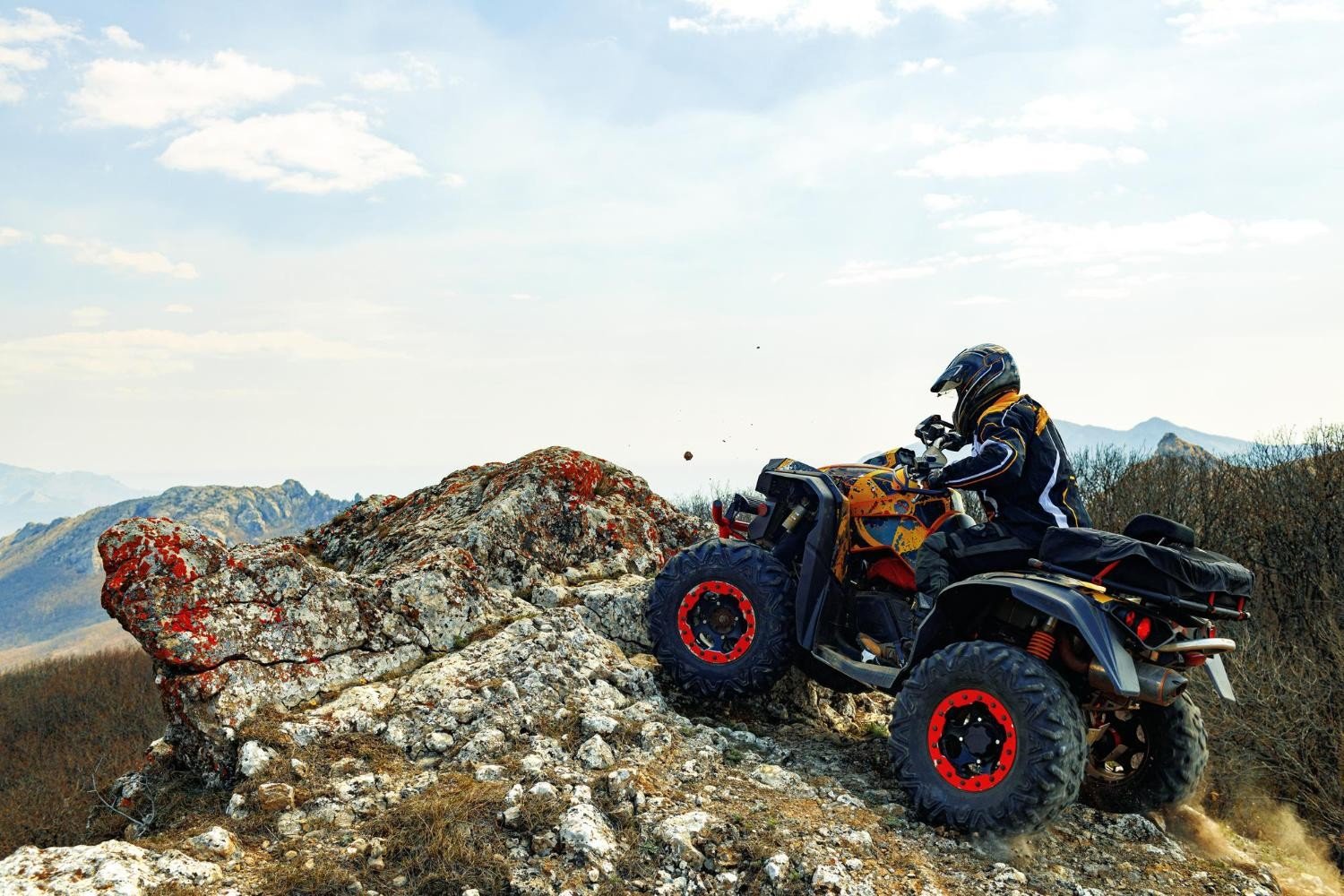

All terrain vehicles offer an exciting way to explore outdoor environments, enjoy recreational riding, and experience off road adventures. Whether you are purchasing your first ATV or adding another vehicle to your collection, choosing the right place to buy it is an important decision. A suitable vehicle should match your riding experience, intended use, comfort preferences, and budget.
However, selecting an ATV involves more than comparing engine sizes or choosing an attractive design. Buyers should also consider product information, vehicle specifications, availability of spare parts, warranty coverage, and after sales support. Having access to reliable guidance throughout the purchasing process can make the experience more convenient and help you make a confident decision.
This is why finding a dependable ATV dealer matters. A knowledgeable seller can help you understand different vehicle options, explain important features, and identify a model that suits your requirements.
In this guide, we will discuss the important factors to consider before purchasing an ATV, the questions worth asking, and how to make a practical choice for your next outdoor adventure.
1. Understand Your Riding Requirements
Before exploring available ATVs, think about how you intend to use the vehicle. Different riders have different expectations, and understanding your requirements can help narrow down the options.
Some people purchase ATVs for recreational riding, while others may need them for outdoor property activities or specific work environments. Your intended use can influence the engine capacity, design, suspension, and other features you should consider.
Start by asking yourself a few questions:
- Will you mainly use the ATV for recreational riding?
- Will you ride on trails, open land, or uneven surfaces?
- Are you a beginner or an experienced rider?
- Will you ride occasionally or regularly?
- Do you need a vehicle for individual use or shared family activities?
- What is your approximate purchasing budget?
Having clear answers makes it easier to compare vehicles based on practical requirements rather than appearance alone.
2. Compare Different ATV Types and Designs
ATVs are available in different configurations, and each type is intended for particular riding requirements. Understanding these differences can help you select a vehicle that feels appropriate for your experience and planned activities.
Recreational ATVs
Recreational models are generally intended for leisure riding and outdoor exploration. Buyers often consider factors such as comfort, handling, suspension, and engine performance when evaluating these vehicles.
Utility ATVs
Utility models are designed with practical tasks in mind. Depending on the vehicle, features such as storage racks, towing capability, and durable construction may be useful for property maintenance or outdoor work.
Youth ATVs
Some manufacturers offer smaller vehicles designed for younger riders. These products should only be selected according to the rider’s age, physical ability, and the manufacturer’s safety recommendations.
Sport ATVs
Sport oriented vehicles are designed for recreational riding that may involve more responsive handling and performance focused characteristics. Riders should consider their experience and training before choosing this category.
Comparing these categories helps you understand which type of ATV is most appropriate for your needs.
3. Check Engine Capacity and Performance Specifications
Engine capacity is one of the important specifications to review when purchasing an ATV. It can influence the vehicle’s power delivery and overall performance characteristics.
However, a larger engine is not automatically the best choice for every rider. Beginners may benefit from selecting a manageable vehicle that matches their experience, while experienced riders may have different requirements.
When reviewing specifications, pay attention to:
- Engine displacement.
- Transmission type.
- Cooling system.
- Starting mechanism.
- Fuel capacity.
- Manufacturer recommended operating conditions.
- Maximum load capacity, where applicable.
Ask for clear information about the vehicle’s specifications instead of relying only on general descriptions. Understanding these details can help you compare different models more effectively.
4. Evaluate Build Quality and Durability
An ATV may be used in outdoor environments where it is exposed to dust, dirt, uneven surfaces, and changing weather conditions. For this reason, build quality should be an important part of your purchasing decision.
Look closely at the vehicle’s overall construction and the quality of its major components.
Important areas to examine include:
- Frame construction and overall finish.
- Suspension components.
- Tyre quality and tread pattern.
- Brake system.
- Steering components.
- Seat comfort and material.
- Protective body panels.
If possible, inspect the vehicle in person. Check for visible damage, loose components, poor finishing, or anything that requires clarification.
A well maintained vehicle with suitable construction can provide a more dependable ownership experience when operated according to manufacturer guidelines.
5. Consider Comfort and Riding Experience
Comfort can make a considerable difference, especially if you plan to spend extended periods riding your ATV.
A vehicle that looks suitable on paper may not feel comfortable once you sit on it. Seat design, handlebar positioning, footrest placement, and suspension characteristics can all influence the riding experience.
Before making a decision, consider:
- Does the seat provide adequate support?
- Can you reach the controls comfortably?
- Is the handlebar position suitable for your height?
- Are the footrests positioned naturally?
- Does the vehicle feel manageable when stationary?
- Is the suspension appropriate for your intended riding environment?
If a demonstration or supervised inspection is available, use that opportunity to understand the vehicle’s size and ergonomics.
6. Ask About Warranty and After Sales Support
Buying an ATV is not the end of the purchasing journey. Like other motor vehicles, an ATV requires regular maintenance and occasional servicing.
Warranty information and after sales support can therefore influence the overall ownership experience.
Before purchasing, ask about:
- Warranty duration and coverage.
- Conditions that may affect warranty eligibility.
- Recommended maintenance intervals.
- Availability of replacement components.
- Service arrangements.
- Technical support options.
- Procedures for reporting product issues.
A professional seller should be able to explain the available warranty terms and direct you to the appropriate manufacturer documentation.
Avoid making assumptions about warranty coverage. Read the actual terms carefully and keep copies of relevant purchase documents.
7. Check Spare Parts and Maintenance Availability
Regular maintenance is important for keeping an ATV in suitable operating condition. Depending on the model and frequency of use, certain components may require inspection, adjustment, or replacement.
Before choosing a vehicle, find out whether commonly required spare parts are available.
These may include:
- Air filters.
- Brake components.
- Tyres and tubes.
- Drive belts or chains, depending on the model.
- Batteries.
- Filters and other service items.
- Replacement body components.
Ask about recommended servicing requirements and whether maintenance support is available through authorized service channels.
It is also helpful to understand the estimated maintenance costs before purchasing. This gives you a clearer picture of the ongoing expenses associated with ownership.
8. Review Pricing and Overall Value
Price is naturally an important factor when purchasing an ATV, but it should not be the only consideration.
Two vehicles may have different prices because of their specifications, features, construction, and included accessories. Comparing the overall value can help you understand which option is more suitable.
Consider the following expenses:
- Initial vehicle price.
- Applicable taxes and registration charges.
- Delivery costs.
- Safety equipment.
- Accessories.
- Insurance, where required.
- Regular maintenance.
- Replacement components.
Ask for a clear breakdown of the total purchase cost. This helps avoid unexpected expenses and makes it easier to plan your budget.
It is also useful to compare the included features rather than focusing exclusively on discounts.
9. Verify Documentation and Legal Requirements
Before completing an ATV purchase, understand the documentation and local rules that apply to the vehicle.
Requirements may vary depending on the country, state, vehicle classification, and intended use. Some ATVs may be restricted to designated off road areas and may not be permitted on public roads.
Ask the seller about the documentation supplied with the vehicle.
Depending on the location and applicable regulations, relevant documents may include:
- Purchase invoice.
- Manufacturer documentation.
- Warranty information.
- Vehicle identification details.
- Registration documents, where applicable.
- Import or compliance documentation, where relevant.
Always verify the legal requirements in your area before operating the vehicle. Do not assume that every ATV is approved for public road use.
10. Understand the Importance of Safety Features
ATV riding can involve uneven surfaces, changing terrain, and unexpected obstacles. Safety should always be a priority, regardless of your riding experience.
When comparing vehicles, review their braking systems, lighting, steering controls, and other safety related features.
You should also invest in suitable protective equipment.
Essential riding safety items include:
- A properly fitted, certified helmet.
- Protective gloves.
- Appropriate riding boots.
- Long sleeves and durable riding clothing.
- Eye protection.
- Protective gear suitable for the activity.
Follow the manufacturer’s operating instructions and use the vehicle only within its intended limits.
Never allow an inexperienced rider to operate a vehicle beyond their ability. Children should only use age appropriate models under suitable supervision and in accordance with manufacturer recommendations.
11. Why Choosing the Right Seller Matters
The purchasing experience can be influenced by the quality of information and support provided by the seller.
A reliable ATV dealer should be able to answer questions about available models, specifications, warranty conditions, maintenance requirements, and product availability.
Look for a seller who:
- Provides clear and accurate product information.
- Explains specifications without unnecessary confusion.
- Offers transparent pricing.
- Shares relevant warranty details.
- Communicates clearly about delivery and availability.
- Helps customers understand maintenance requirements.
- Encourages buyers to select a vehicle suited to their experience.
You should feel comfortable asking questions before making a purchase. A seller who takes time to explain important details can make the buying process more straightforward.
12. Common Mistakes to Avoid When Buying an ATV
First time buyers sometimes focus heavily on appearance or engine capacity while overlooking other important factors.
Avoid these common mistakes:
Choosing a vehicle that is too powerful
A high powered ATV may not be suitable for someone with limited riding experience. Choose a vehicle that matches your ability and the manufacturer’s recommendations.
Ignoring maintenance costs
The purchase price is only one part of vehicle ownership. Consider servicing, replacement parts, and other ongoing expenses.
Overlooking warranty conditions
Always read the warranty documentation and understand what is included or excluded.
Buying without checking specifications
Review engine details, dimensions, load limits, and other relevant features before making a decision.
Ignoring safety equipment
Protective gear is an essential part of responsible ATV ownership. Include these expenses in your purchasing budget.
Failing to check local regulations
Understand where and how the vehicle can legally be operated before purchasing it.
Avoiding these mistakes can help you make a more informed and practical choice.
13. Questions to Ask Before Finalizing Your Purchase
Having a few questions ready can make conversations with sellers more productive.
Consider asking:
- Which ATV models are currently available?
- What are the main specifications of each model?
- Which vehicle would suit my riding experience?
- What is included in the purchase price?
- What warranty coverage is provided?
- Are spare parts readily available?
- What maintenance schedule does the manufacturer recommend?
- Is delivery available?
- What documents will be supplied with the vehicle?
- Are there any specific operating restrictions?
Clear answers can help you compare available options and understand what to expect after purchasing.
Frequently Asked Questions (FAQs)
1. What should I consider before buying an ATV?
Consider your riding experience, intended use, engine capacity, vehicle size, comfort, safety features, maintenance requirements, warranty coverage, and budget.
2. How do I choose a suitable ATV for beginners?
Beginners should look for a manageable vehicle that matches their physical ability and experience. Review manufacturer recommendations and consider receiving proper riding instruction before operating an ATV.
3. Is a larger engine always better for an ATV?
No. Engine capacity should match the rider’s experience and intended use. A more powerful vehicle is not necessarily the most practical option for every buyer.
4. What safety equipment should I purchase with an ATV?
A certified helmet, protective gloves, suitable riding boots, eye protection, and appropriate riding clothing are important safety items. Additional protective equipment may be appropriate depending on the activity.
5. How important is warranty coverage when purchasing an ATV?
Warranty coverage can provide important information about manufacturer support and eligible repairs. Review the terms carefully to understand the duration, conditions, and exclusions.
6. Can an ATV be used on public roads?
Not all ATVs are approved for public road use. Regulations depend on the vehicle classification and local laws. Verify the applicable requirements before operating one outside designated off road areas.
7. How often does an ATV require maintenance?
Maintenance frequency depends on the model, usage, and operating conditions. Follow the manufacturer’s service schedule and inspect the vehicle regularly.
8. What should I check when comparing ATV prices?
Compare the vehicle specifications, included accessories, warranty, delivery charges, applicable taxes, and expected maintenance expenses. Looking at the total ownership cost gives a more realistic picture of value.
Conclusion
Purchasing an ATV can be an exciting investment for outdoor recreation and practical activities, but choosing the right vehicle requires careful consideration. Engine specifications, build quality, comfort, safety, maintenance availability, warranty coverage, and overall cost should all influence your decision.
Finding a dependable seller can make this process easier by providing clear product information and helping you understand the available options. Take time to compare vehicles, ask relevant questions, and select a model that matches your riding experience and intended use.
A thoughtful purchase decision can help you enjoy a more comfortable and rewarding ownership experience while making your off road adventures more enjoyable and responsible.