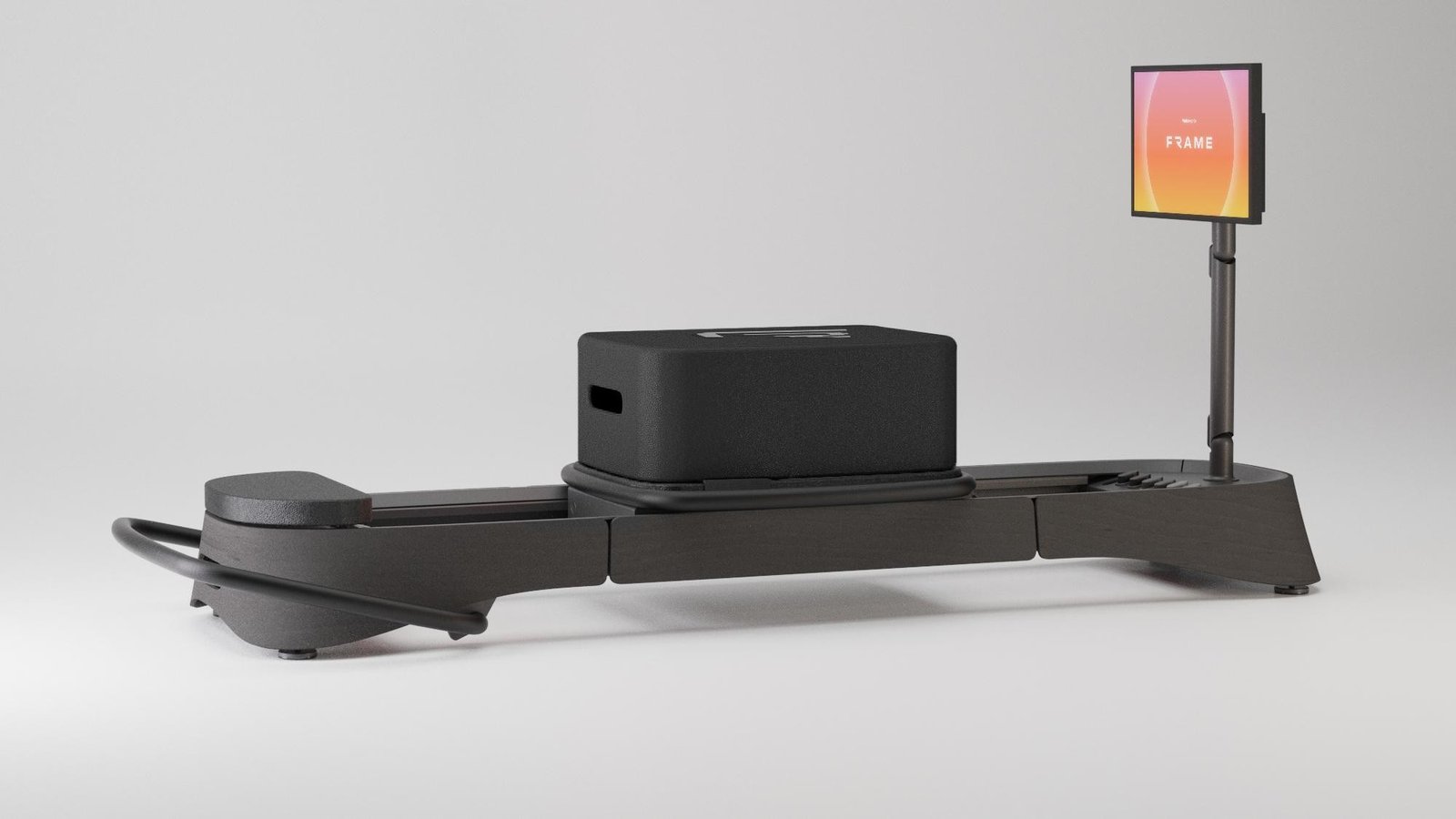

Pilates is a popular exercise method for people who want to improve flexibility, develop core strength, and maintain better control over their body movements. It combines controlled exercises, breathing techniques, resistance, and body alignment to create a balanced fitness routine. While mat based Pilates is a convenient way to get started, specialised equipment can introduce additional exercise possibilities and resistance options.
A Pilates reformer Pilates machine is one of the most versatile pieces of equipment used in Pilates training. It allows individuals to perform a variety of movements while working against adjustable resistance. From basic footwork to more advanced full body exercises, this equipment provides opportunities to target several muscle groups through controlled movement, helping improve strength, flexibility, balance, and overall body coordination.
However, buying the right equipment requires careful evaluation. Different models may look similar but can vary in construction, resistance systems, comfort, adjustability, and overall functionality. Understanding these differences can help you select a machine that suits your workout requirements and available space.
Before investing in a Pilates reformer, it is worth exploring the essential features that contribute to its performance, convenience, and long term usability.
1. Understand the Basic Structure of a Pilates Reformer
Before comparing different models, it is useful to understand the main components of a reformer.
A traditional reformer generally consists of a rectangular frame with a sliding carriage that moves along a track. Resistance is provided through springs or another resistance mechanism, depending on the design.
Most reformers also include several supporting components, such as:
- Footbar
- Shoulder rests
- Headrest
- Resistance straps
- Handles
- Spring attachment points
- Sliding carriage
Each component has a specific purpose and contributes to the overall exercise experience.
For example, the footbar provides support during footwork exercises, while straps and handles allow users to perform selected arm and leg movements.
Understanding these parts makes it easier to evaluate whether a particular model offers the functionality you need.
2. Check the Strength and Durability of the Frame
The frame provides the foundation for the entire machine. It supports the carriage, resistance components, and the user’s body during exercise.
A strong frame is essential for maintaining stability and supporting regular workouts.
When examining frame quality, pay attention to:
- Material strength
- Overall construction
- Joint and connection quality
- Supporting leg stability
- Surface finishing
- Manufacturer specifications
Reformers may use metal, wood, or combinations of different materials. The quality of the construction matters more than simply choosing one material over another.
A well designed frame should remain stable during normal exercises without excessive movement or unwanted noise.
3. Evaluate the Carriage and Track System
The carriage is the platform that moves along the reformer’s frame. Users position their bodies on it while performing different exercises.
Its movement is central to the reformer’s functionality, making the quality of the carriage and track system particularly important.
Look for:
- Smooth sliding movement
- Proper alignment with the frame
- Stable positioning
- Suitable cushioning
- Reliable moving components
The carriage should move without unexpected jerking or excessive friction.
A comfortable carriage also helps users maintain their position during longer exercise sessions.
If possible, test the equipment before purchasing to understand how smoothly it moves.
4. Examine the Resistance Spring System
Resistance is one of the defining features of reformer based Pilates. Springs help control carriage movement and determine the effort required during different exercises.
Different reformers may offer different spring configurations and resistance levels.
Before selecting a model, check:
- Number of resistance settings
- Spring attachment quality
- Ease of changing resistance
- Condition and material of springs
- Manufacturer’s replacement recommendations
Adjustable resistance can make a machine suitable for different exercise requirements.
Beginners may prefer manageable resistance while learning proper technique. More experienced users may want greater flexibility when selecting exercise intensity.
Always follow the manufacturer’s instructions when changing springs or adjusting resistance.
5. Look for an Adjustable Footbar
The footbar is used for support during several reformer exercises. It can also help users maintain suitable positioning while performing selected movements.
An adjustable footbar provides greater flexibility because different users may require different positions.
Useful features include:
- Multiple adjustment positions
- Secure locking mechanism
- Comfortable surface
- Strong attachment points
- Easy adjustment process
A well positioned footbar can make exercises more comfortable and practical.
Before purchasing, check whether the footbar adjustments are suitable for your height and the exercises you intend to perform.
6. Check the Quality of Straps and Handles
Straps and handles are important accessories that support different upper and lower body movements.
They may be used for arm pulls, leg exercises, coordination movements, and other resistance based activities.
Since these components experience repeated pulling forces, their construction should be carefully checked.
Consider the following:
- Strap material
- Stitching quality
- Handle grip comfort
- Attachment strength
- Adjustable length
- Replacement availability
The handles should feel comfortable to hold, while the straps should remain secure during movement.
Inspect these components regularly for signs of fraying, stretching, or damage.
7. Pay Attention to Padding and Upholstery
Comfort is an important part of choosing a reformer because users perform exercises in several different positions.
The carriage, shoulder supports, and headrest should provide adequate cushioning.
When evaluating upholstery, consider:
- Padding thickness
- Surface durability
- Comfort during prolonged use
- Ease of cleaning
- Resistance to everyday wear
- Quality of stitching and finishing
Padding should support the body without making the surface feel unstable.
It is also useful to choose upholstery that can be cleaned easily after workouts.
8. Review the Weight Capacity
Weight capacity is an essential specification that should never be overlooked.
Every reformer is designed for a particular maximum user weight. The recommended limit should be clearly mentioned in the manufacturer’s product information.
Before buying, check:
- Maximum recommended user weight
- Frame strength
- Carriage support
- Stability during movement
- Resistance component specifications
Choose equipment that comfortably meets the intended user’s requirements.
Never exceed the stated weight capacity, as doing so may affect the equipment’s safety and performance.
9. Consider the Overall Size and Dimensions
A reformer can occupy a considerable amount of floor space, so measuring your workout area before purchasing is important.
Do not rely only on product photographs to estimate its size.
Check the actual measurements, including:
- Overall length
- Total width
- Equipment height
- Carriage dimensions
- Space required for accessories
- Clearance needed around the machine
If you are setting up a home gym in a smaller room, consider whether a compact or foldable model would be more practical.
Make sure that the selected equipment leaves enough room for safe movement and comfortable access.
10. Explore Foldable and Storage Friendly Designs
Storage convenience can make a significant difference for people who do not have a dedicated workout room.
Some reformers include folding features or designs that make storage easier.
Before selecting such a model, examine the folding mechanism carefully.
Important considerations include:
- Secure folding and locking system
- Ease of handling
- Storage dimensions
- Stability when assembled
- Durability of moving joints
- Manufacturer storage instructions
A foldable design can save space, but it should not compromise the equipment’s structural quality.
11. Check Compatibility with Additional Accessories
Accessories can expand the exercise possibilities available on a reformer.
Depending on the equipment design, compatible accessories may include sitting boxes, jump boards, additional straps, handles, and other attachments.
A sitting box, for example, provides an additional platform for selected seated exercises, stretching movements, and strength based activities.
Before purchasing, check whether:
- Accessories are included
- Additional attachments are available
- Accessories are compatible with the model
- Replacement parts can be purchased
- Installation instructions are provided
Having access to useful accessories can make your exercise routine more versatile.
However, it is better to select accessories based on your actual workout needs rather than purchasing everything available.
12. Evaluate the Ease of Assembly
Some reformers arrive fully assembled, while others require installation.
The assembly process may involve fitting the frame, attaching resistance components, securing the carriage, and installing other accessories.
Before ordering, review the installation requirements.
Check whether:
- The package includes assembly instructions.
- Required tools are provided.
- Professional installation is recommended.
- The machine requires more than one person to assemble.
- Customer support is available for installation questions.
After assembly, inspect all fittings and attachments before using the equipment.
If you are unsure whether a component has been installed correctly, seek assistance rather than attempting to use the machine.
13. Look for Easy Maintenance and Cleaning
Regular maintenance helps preserve equipment quality and supports safe operation.
Since reformers contain moving components, springs, straps, and supporting structures, they should be inspected periodically.
Useful maintenance practices include:
- Wiping the carriage after each workout
- Keeping the tracks free from dust
- Inspecting springs for visible damage
- Checking straps and handles
- Tightening loose fittings when permitted by the manufacturer
- Following recommended servicing instructions
Before purchasing, check whether replacement components are available and whether the manufacturer provides maintenance guidance.
14. Compare Warranty and Customer Support
Warranty coverage provides useful information about the manufacturer’s support after purchase.
Different parts may have different warranty periods, so read the conditions carefully.
Important details to review include:
- Frame warranty
- Spring and resistance component coverage
- Upholstery coverage
- Replacement part availability
- Repair services
- Customer support options
Also check whether the warranty covers normal use and what situations may invalidate it.
Reliable after sales support can make ownership more convenient if maintenance or repairs become necessary.
15. Make Sure the Machine Matches Your Experience Level
Not every reformer is designed for the same type of user.
Beginners may prefer straightforward equipment with comfortable padding, basic resistance settings, and simple adjustments.
Experienced Pilates users may look for more resistance flexibility, additional accessories, and a wider range of exercise options.
Consider your current fitness experience and whether you want equipment that can support different levels of training over time.
If you are new to reformer exercises, learning under the guidance of a qualified instructor can help you understand positioning, resistance selection, and safe movement techniques.
Common Mistakes to Avoid When Buying a Pilates Reformer
Even after researching different models, some purchasing mistakes can affect the overall experience.
Here are a few things worth avoiding:
- Choosing based only on price: A low price does not always indicate good value.
- Ignoring dimensions: Equipment that does not fit the available space can become difficult to use.
- Overlooking weight capacity: Always check the manufacturer’s recommended limit.
- Ignoring resistance quality: The resistance system plays an important role in exercise performance.
- Buying unnecessary accessories: Focus on attachments that support your actual workout requirements.
- Skipping warranty checks: Understand the coverage before completing your purchase.
- Ignoring maintenance: Regular inspections are necessary for equipment containing moving parts.
Taking time to evaluate these details can help you make a more informed choice.
Frequently Asked Questions
1. What should I check before buying a Pilates reformer?
Check the frame, carriage, resistance system, footbar, straps, padding, weight capacity, dimensions, accessories, and warranty. These features influence the equipment’s comfort, functionality, and durability.
2. Is a Pilates reformer suitable for home use?
Yes. A reformer can be used at home if you have sufficient space and choose a model that matches your fitness goals and experience level.
3. Why is the resistance system important?
The resistance system controls the effort required during exercises. Adjustable resistance allows users to modify workout intensity according to the movement and their abilities.
4. How do I know whether a reformer is durable?
Review the frame construction, carriage quality, resistance attachments, material specifications, and manufacturer warranty. Testing the equipment can also help you assess its stability and movement.
5. Are foldable reformers a good option?
Foldable reformers can be useful for homes with limited storage space. Check the folding mechanism, locking system, and stability before choosing one.
6. Do Pilates reformers come with accessories?
Some models include accessories such as straps, handles, or sitting boxes, while others offer them separately. Always review the product package details.
7. How often should I inspect my reformer?
Perform basic visual checks regularly, ideally before workouts. Follow the manufacturer’s recommendations for detailed maintenance and servicing.
8. Can beginners use a reformer at home?
Yes. Beginners can start with simple movements and suitable resistance. Professional instruction can help them learn correct positioning and avoid unnecessary strain.
Final Thoughts
Buying a Pilates reformer requires more attention than simply comparing prices and choosing an attractive design. The frame, carriage, resistance system, padding, adjustment features, and accessories all contribute to the overall exercise experience.
When comparing a Pilates reformer Pilates machine, focus on practical features that match your fitness requirements, available space, and experience level. Consider durability, maintenance, and warranty support as well.
A carefully selected machine can provide a versatile platform for different Pilates movements and help make home workouts more convenient. By reviewing the essential features before purchasing, you can choose equipment that supports a comfortable, consistent, and enjoyable fitness routine.